Understanding How Pool Accidents Happen
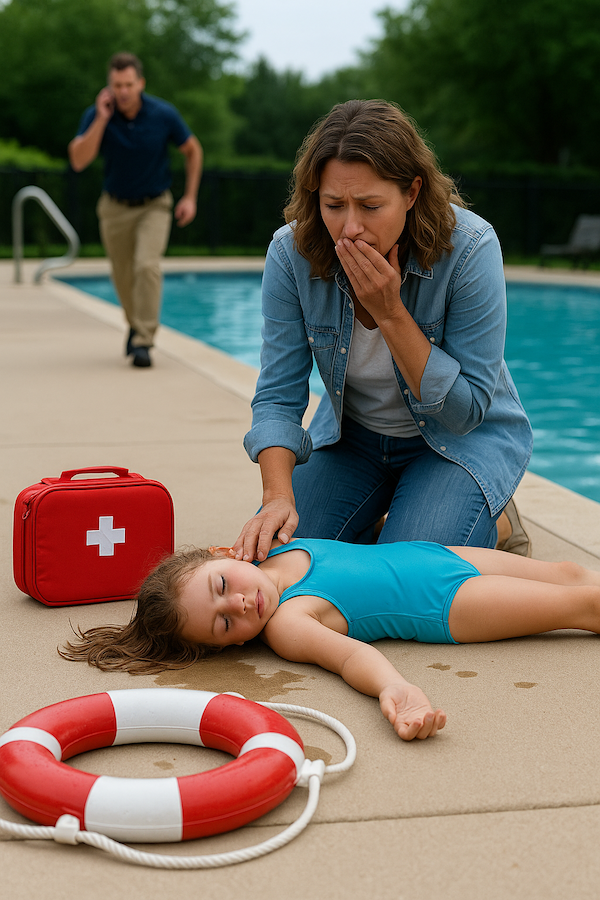
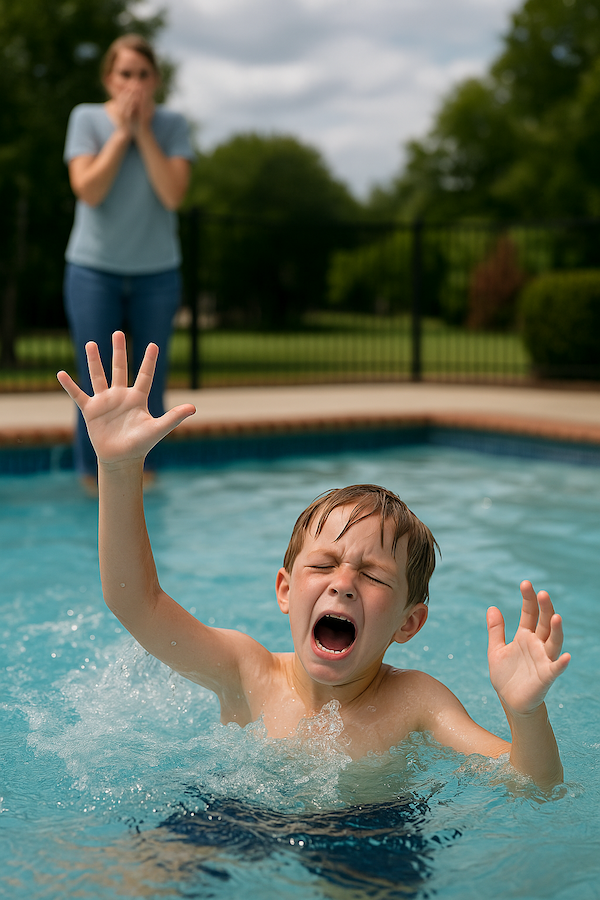
Swimming pool accidents often occur because of negligence — either by the property owner, facility management, or those responsible for maintenance and safety. Common causes of pool-related injuries include:
- Inadequate Supervision: Lack of trained lifeguards or inattentive staff.
- Defective Pool Equipment: Faulty drains, pumps, or diving boards that create dangerous conditions.
- Slippery Surfaces: Wet tiles or lack of slip-resistant flooring causing falls.
- Improper Fencing or Barriers: Failure to secure pool areas from unsupervised children.
- Unsafe Water Conditions: Poor chemical balance, murky water, or lack of sanitation leading to illness or injury.
- Electrical Hazards: Faulty wiring or underwater lights causing electric shock or electrocution.
These dangers can result in severe injuries — from fractures and head trauma to brain damage and drowning. Attorney Andy Holliday investigates every case thoroughly to determine the cause, identify who is at fault, and pursue full compensation for his clients.
The Devastating Impact of Pool Injuries
Swimming pool accidents often lead to long-term physical and emotional consequences. Victims and families may experience enormous medical costs, pain, and emotional distress. In tragic cases, these incidents result in wrongful death, leaving families to grieve preventable loss. Andy provides compassionate and results-driven representation for claims involving:
- Near-drowning and oxygen deprivation injuries
- Traumatic brain injuries (TBI)
- Spinal cord or neck injuries from diving accidents
- Broken bones, cuts, or bruises from slips and falls
- Fatal drowning accidents
Andy understands that no amount of compensation can undo the trauma of an accident, but financial recovery can help victims access the care and stability they need to move forward. He fights for full damages, including medical bills, rehabilitation costs, pain and suffering, lost wages, and wrongful death compensation when applicable.
Georgia’s Laws on Swimming Pool Safety
In Georgia, both public and private pool owners have strict legal obligations to ensure the safety of guests and residents. Regulations require adequate fencing, safety signage, functioning drains, and proper maintenance. When these standards are ignored, the results can be catastrophic — and the responsible parties can be held liable.
Attorney Andy Holliday is highly familiar with state and local codes governing swimming pools, as well as the federal Virginia Graeme Baker Pool and Spa Safety Act, which aims to prevent drain entrapment and drowning injuries. His detailed understanding of these laws allows him to identify violations quickly and build strong cases against negligent owners, operators, or maintenance companies.
Key Steps to Take After a Pool Accident
Acting promptly after a swimming pool accident can make a significant difference in the success of your case. Andy advises victims and their families to take the following steps:
- Seek immediate medical attention for all injuries, even if they seem minor.
- Report the incident to the property owner, management, or local authorities and request documentation.
- Take photographs of the pool area, any defective equipment, and visible injuries.
- Collect witness contact information for anyone who saw the event occur.
- Preserve evidence — do not allow pool equipment or safety devices to be repaired or removed without inspection.
- Contact Attorney Andy Holliday for a Free Consultation before speaking with insurance representatives.
These actions help preserve critical evidence, allowing Andy to conduct a thorough investigation and pursue maximum compensation for your injuries or loss.